Amazing Historical Places In the Philippines!!
Whohoo! buti pa ang places may history, di tulad ninyo ng krass mo WALA! haha! Kaya't tara na at basahin ang TriviAmazing natin ngayon. (insert heart emoticon) Maaari rin na tayo'y pumunta rito with friends or families nakagala ka na may natutunan ka
pa! :D
The Philippines is a world-famous tourist destination. Aside from its beautiful places and scenic tourist spots, it is also rich in history and culture. Filipinos built different landmarks and places to remember the outstanding sacrifices of national heroes and to beautifully exhibit the country’s heritage. These popular works of architecture can capture not only the eyes but also the hearts of the viewers. These historical sites are part of the tourism in the Philippines.
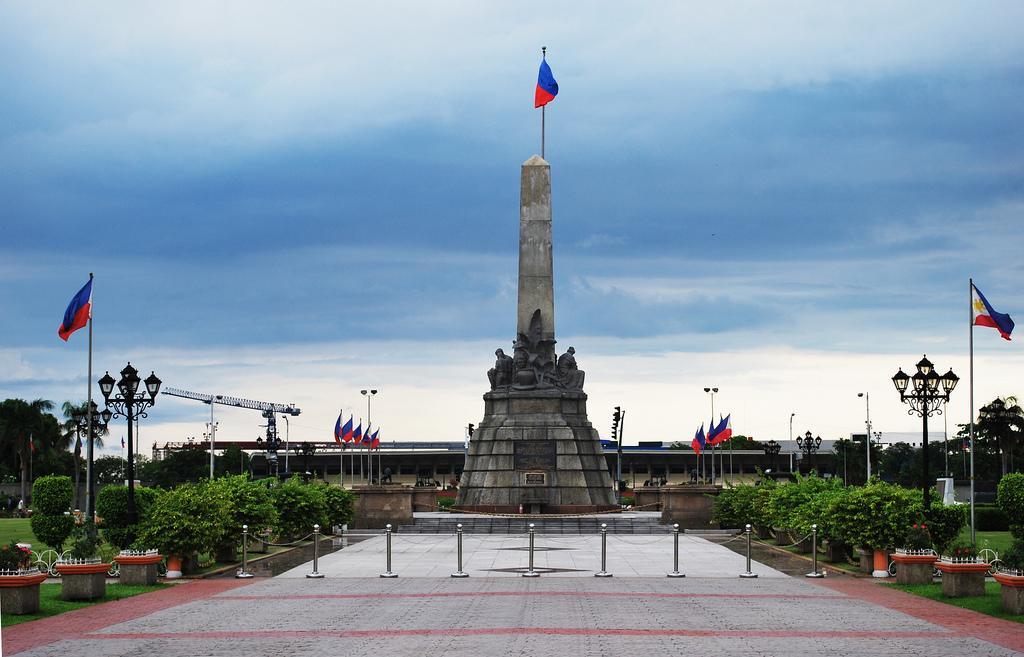
1. Rizal Park
Previously called Bagumbayan Field, Rizal Park or Luneta Park was built as a tribute to our greatest national hero – Dr. Jose Rizal. It is one of the leading historical sites in the Philippines where Rizal was executed by the Spanish military firing squad on December 30, 1896 because he had spread the ideals of revolution against Spanish rule.
Previously called Bagumbayan Field, Rizal Park or Luneta Park was built as a tribute to our greatest national hero – Dr. Jose Rizal. It is one of the leading historical sites in the Philippines where Rizal was executed by the Spanish military firing squad on December 30, 1896 because he had spread the ideals of revolution against Spanish rule.
2. Corregidor
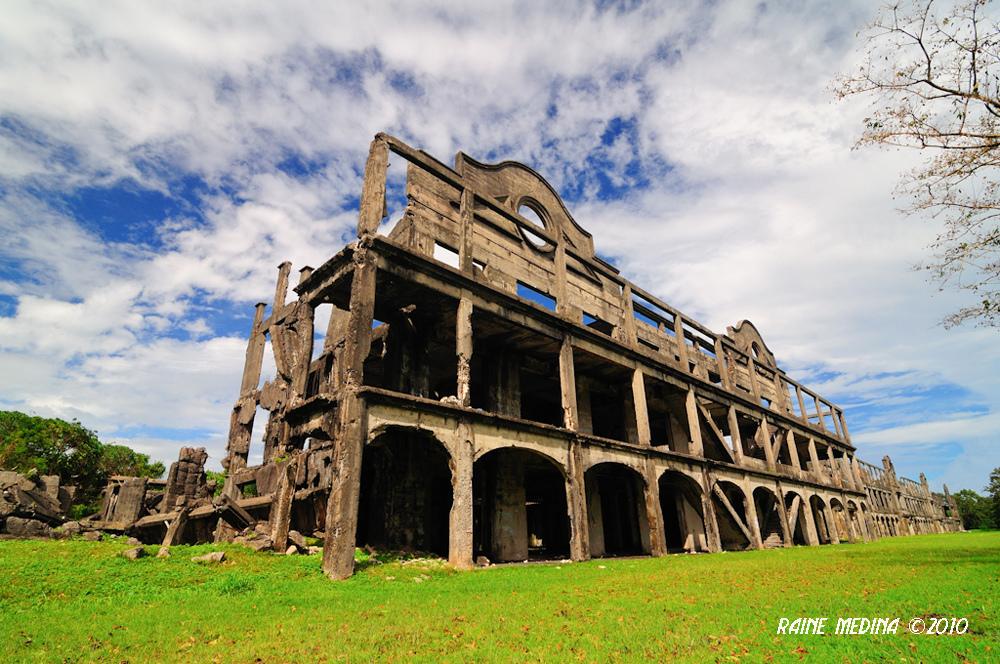
Want to know the moving story behind the famous Corregidor Island? Known to be the “the Rock”, Corregidor is known for its important historical attractions. When the Japanese invaded the Philippines, Corregidor became the headquarters of the Allied Forces and also the seat of Philippine Commonwealth government. The huge firearms of Corregidor which are used in support for Filipino and American defenders of Bataan are now silent but the damage seen on buildings, structures, and tunnels in the island continues on telling a very moving story of a war that has claimed so many lives. A visit to this former battleground is a memorable experience, especially for those people who value and cherish freedom and peace.
3. Intramuros
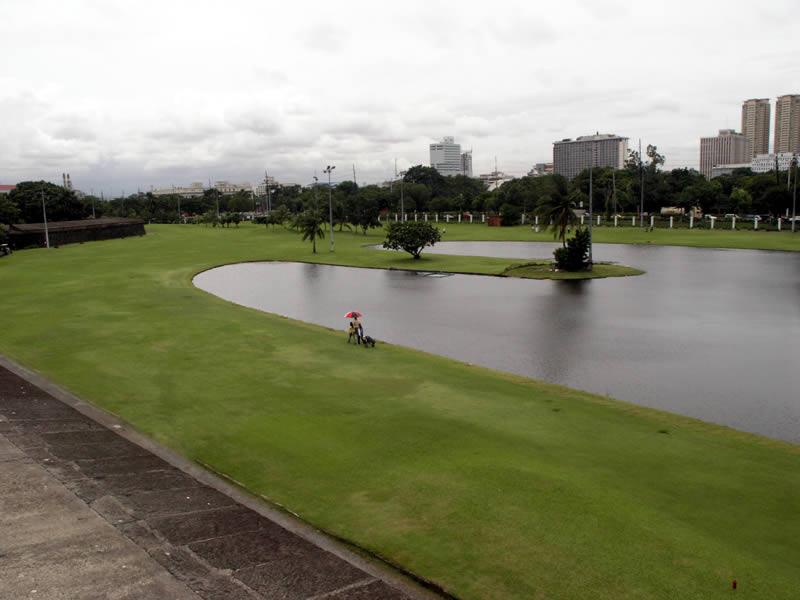
Intramuros is known in history as the “Walled City” because of its most famous feature: a nearly three-mile-long circuit of massive stone walls and fortifications that almost completely surrounds the entire district. It is the oldest district and historic core of Manila where old Spanish era influences are still plentiful. Photography and history lovers will find Intramuros an interesting destination. If you visit the place, you can still feel the Spanish ambiance and appreciate the historical landmarks and churches in the area. Plus, visiting Intramuros is very affordable and worth your time. Going here, you can re-experience the past in a modern light.
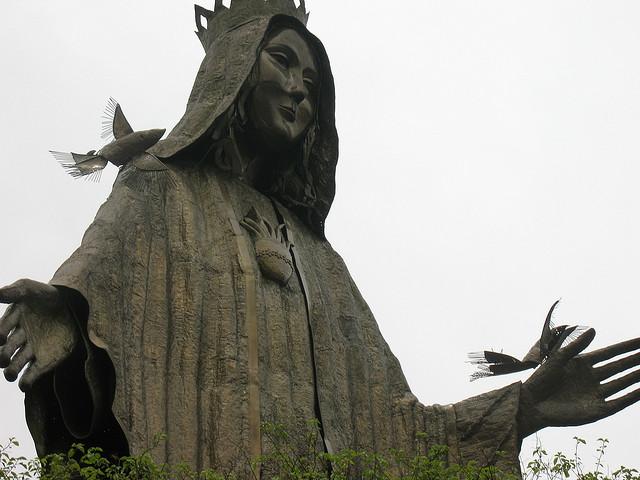
4. EDSA ShrineThe EDSA
Shrine, also known as the Shrine of Mary, Queen of Peace, and Our Lady of EDSA, is a small church of the Roman Catholic Archdiocese of Manila located at the intersection of Ortigas Avenue and Epifanio de los Santos Avenue (EDSA) in Quezon City. It is a monument dedicated to the first People Power Revolution and its peaceful outcome on December 15, 1989. It is a place that witnessed the two demonstrations that overthrew the presidencies of Ferdinand Marcos and Joseph Estrada. This shrine is a towering proof that fighting for freedom doesn’t have to be a blood-spattered cause. Rather, it can be achieved through peaceful means and with no casualty.
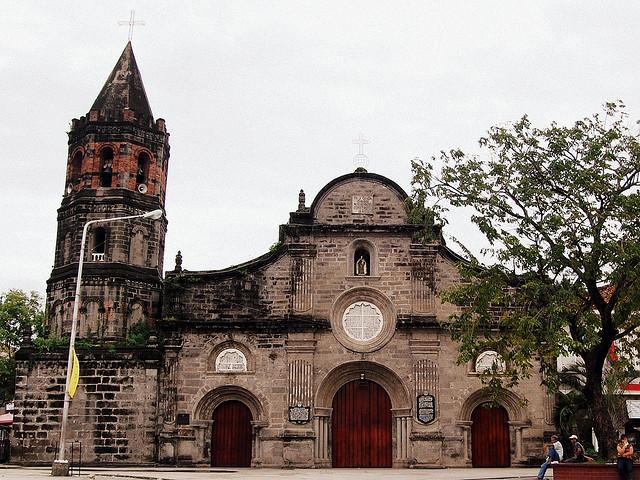
5. Barasoain Church
Having earned the title as the Cradle of Democracy in the East, Barasoain Church is the most important religious building in the Philippines.
Want to know the moving story behind the famous Corregidor Island? Known to be the “the Rock”, Corregidor is known for its important historical attractions. When the Japanese invaded the Philippines, Corregidor became the headquarters of the Allied Forces and also the seat of Philippine Commonwealth government. The huge firearms of Corregidor which are used in support for Filipino and American defenders of Bataan are now silent but the damage seen on buildings, structures, and tunnels in the island continues on telling a very moving story of a war that has claimed so many lives. A visit to this former battleground is a memorable experience, especially for those people who value and cherish freedom and peace.
3. Intramuros
Intramuros is known in history as the “Walled City” because of its most famous feature: a nearly three-mile-long circuit of massive stone walls and fortifications that almost completely surrounds the entire district. It is the oldest district and historic core of Manila where old Spanish era influences are still plentiful. Photography and history lovers will find Intramuros an interesting destination. If you visit the place, you can still feel the Spanish ambiance and appreciate the historical landmarks and churches in the area. Plus, visiting Intramuros is very affordable and worth your time. Going here, you can re-experience the past in a modern light.
4. EDSA ShrineThe EDSA
Shrine, also known as the Shrine of Mary, Queen of Peace, and Our Lady of EDSA, is a small church of the Roman Catholic Archdiocese of Manila located at the intersection of Ortigas Avenue and Epifanio de los Santos Avenue (EDSA) in Quezon City. It is a monument dedicated to the first People Power Revolution and its peaceful outcome on December 15, 1989. It is a place that witnessed the two demonstrations that overthrew the presidencies of Ferdinand Marcos and Joseph Estrada. This shrine is a towering proof that fighting for freedom doesn’t have to be a blood-spattered cause. Rather, it can be achieved through peaceful means and with no casualty.
5. Barasoain Church
Having earned the title as the Cradle of Democracy in the East, Barasoain Church is the most important religious building in the Philippines.
It was founded by the Augustinian Missionaries in 1859 and served as the session hall of Malolos Congress, the first congress in the Philippines which was held in September 15, 1898 under the presidency of Pedro Paterno. Three major events in the Philippine history happened in this church: the convening of the First Philippine Congress (September 15, 1898), the drafting of the Malolos Constitution (September 29, 1898 to January 21, 1899), and the inauguration of the First Philippine Republic (January 23, 1899).
The architectural design of the church attracts and engages visitors because of the curved façade, rose windows, and medieval bell tower. Its floral motifs and paintings of angels and saints along the ceiling adorn the interior of the church.
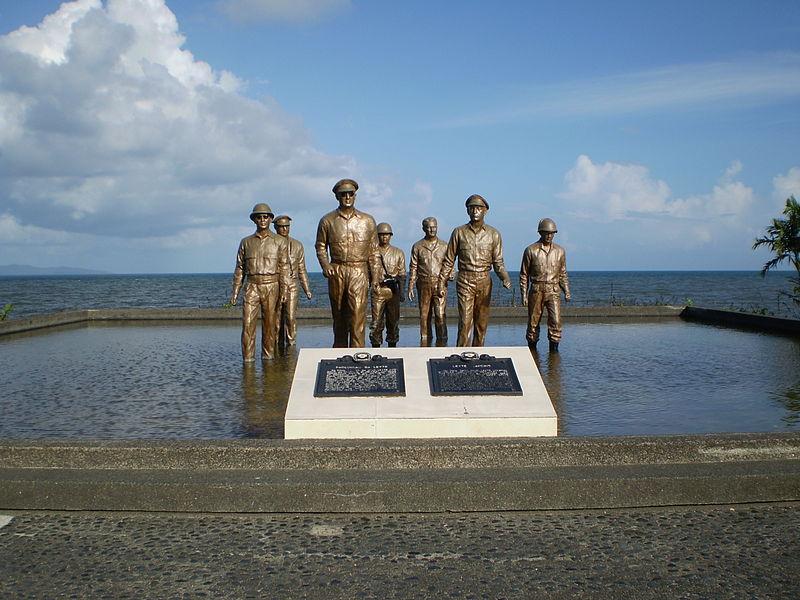
6. Leyte Landing Memorial Park
If you ever drop by Tacloban City, the Leyte Landing Memorial Park, formerly known as the “McArthur Park,” is a must-visit destination. Remember the promise made by Gen. Douglas McArthur “I shall return”? He kept this promise when he returned with an army of 700 ships containing 174,000 American soldiers at Red Beach, Palo, Leyte on October 20, 1944. The “red” in Red Beach doesn’t refer to the natural color of the sand, but its color after being drenched in blood.
Many tourists visit the park to reminisce an important event in history – the fulfilment of Gen. McArthur’s promise to the Filipinos to come back and help them win against the Japanese colonies. It always brings inspirational memories of how our beloved ancestors fought for our freedom.
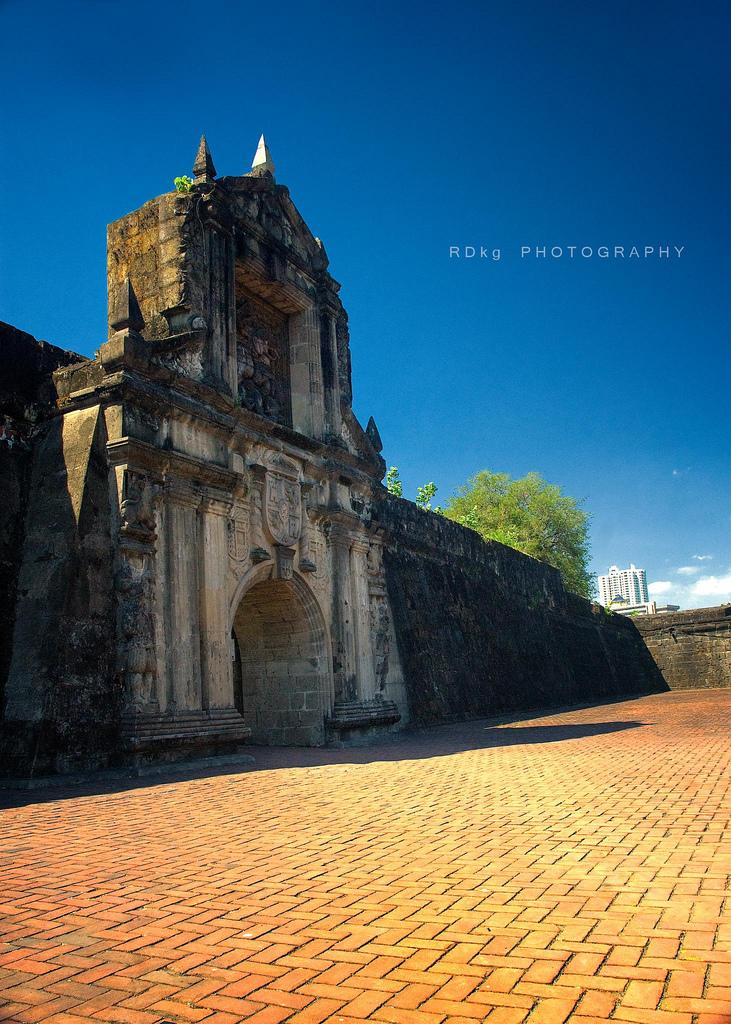
7. Fort Santiago
Fort Santiago, located in Intramuros, is a famous tourist destination in the Philippines. It is a historical structure that is part of the city’s famous wall. The attraction of the site is a museum where you can find a replica of Dr. Jose Rizal’s prison cell before he was executed. The rest of Fort Santiago has been set up into a beautiful park. There is also an imitation of old dungeons – dark underground chambers or cells used to confine prisoners. You can just imagine how hard it is to be imprisoned, tortured, and executed in one of them.
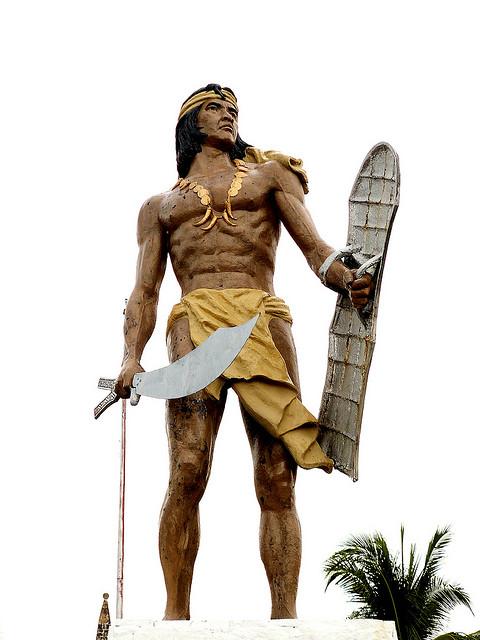
8. Mactan Shrine
The Mactan Shrine, located in Mactan Island in Cebu, is made in honor of Lapu-Lapu, Ferdinand Magellan, and the Battle of Mactan. It is also known as Liberty Shrine and it lies on the very ground where the battle took place. The said encounter was between the Spaniards led by Ferdinand Magellan and the locals led by Lapu–Lapu.
Ferdinand Magellan and his crew were the first people to introduce Christianity in the Philippines. In the quest to prove that the earth is not flat, he traveled the world and docked in Mactan, where he was eventually killed by Lapu-Lapu on April 27, 1521. Lapu-Lapu is recognized as the first native of the archipelago to have resisted the Spanish colonization.
9. Rizal Shrine
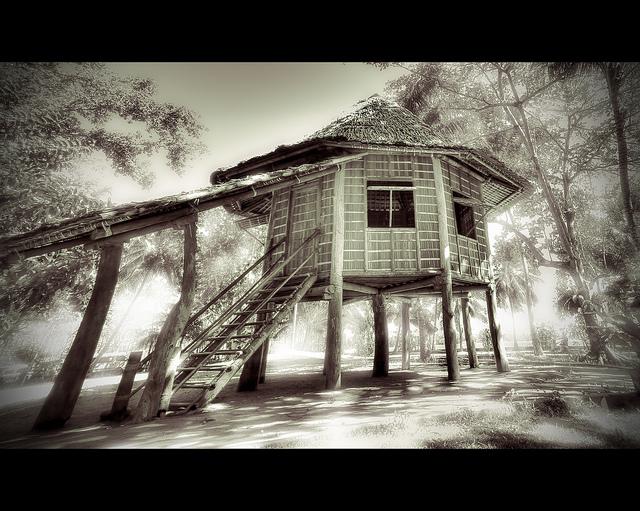
Rizal Shrine is an important historical place in Dapitan where Dr. Jose Rizal spent four years in exile. He lived here as a physician, merchant, farmer, inventor, painter, sculptor, archaeologist, linguist, grammarian, teacher, architect, poet, biologist, composer, surveyor, and environmentalist. He was also a father and brother to all Dapitanons, serving and helping those who needed him. No wonder Dr. Jose Rizal is considered as the Philippine National Hero.
Rizal Shrine is an important historical place in Dapitan where Dr. Jose Rizal spent four years in exile. He lived here as a physician, merchant, farmer, inventor, painter, sculptor, archaeologist, linguist, grammarian, teacher, architect, poet, biologist, composer, surveyor, and environmentalist. He was also a father and brother to all Dapitanons, serving and helping those who needed him. No wonder Dr. Jose Rizal is considered as the Philippine National Hero.
Rizal Shrine nowadays is one of the most attractive tourist spots in the Philippines. It reflects Rizal’s lifestyle and how he socialized with the people around him.
10. Banaue Rice Terraces
10. Banaue Rice Terraces
How in the world could they have accomplished this amazing feat?
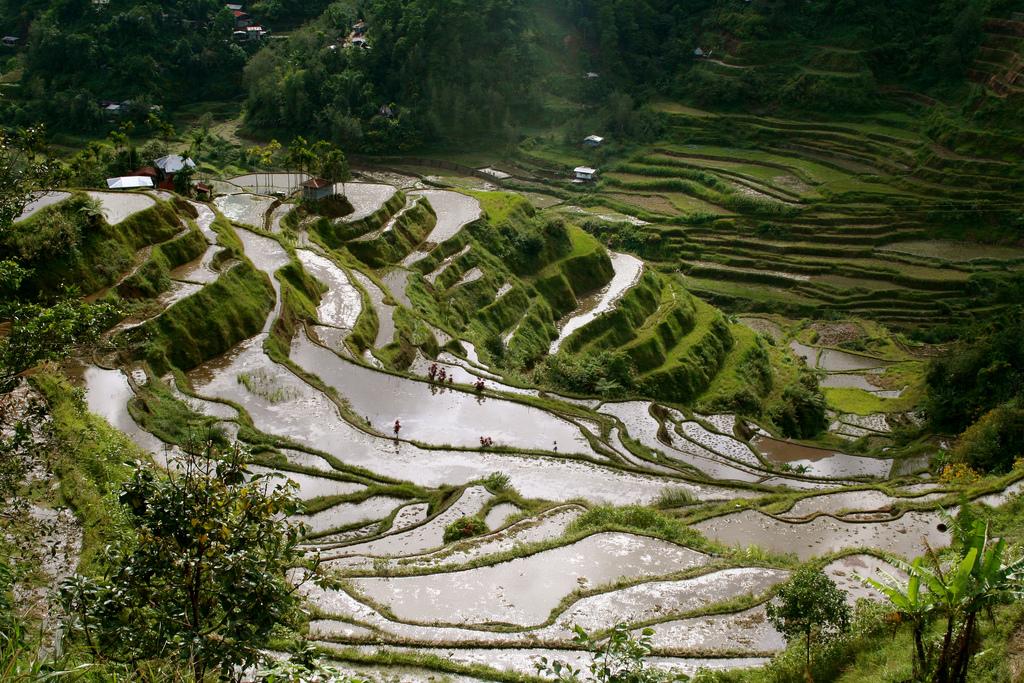
The Banaue Rice Terraces was made approximately 2000 years ago, carved into the mountains by the indigenous people using only their hands and some crude equipment. It is said that if the steps were put end to end, it would encircle half the globe. It is considered as one of mankind's greatest engineering accomplishments.

`11. Vigan
One of Philippines’ most wonderful places, as it features the Spanish record of the nation. This town is in the northern part of Philippines and its heritage village was known and listed since December 2, 1999 in the UNESCO world heritage list for its unique Spanish colonial history where spanish monumental buildings built in the 18th century are well preserved up to this day.

12. National Museum of the Philippines, Manila
Another must-visit destination in Manila is the National Museum of the Philippines. If you like to learn more and appreciate the national cultural and historical treasures of the Filipinos, the museum is a place you shouldn’t miss in 2016. See for yourself the giant painting Spoliarium by Juan Luna, the Manunggul Jar and other prehistoric artifacts dated back from 890 to 710 B.C., the treasures of Spanish Galleon San Diego, the Balangay or Butuan boat, the different paintings and sculptures of various Filipino national artists, and other stuff you have probably only seen in textbooks
12. National Museum of the Philippines, Manila
Another must-visit destination in Manila is the National Museum of the Philippines. If you like to learn more and appreciate the national cultural and historical treasures of the Filipinos, the museum is a place you shouldn’t miss in 2016. See for yourself the giant painting Spoliarium by Juan Luna, the Manunggul Jar and other prehistoric artifacts dated back from 890 to 710 B.C., the treasures of Spanish Galleon San Diego, the Balangay or Butuan boat, the different paintings and sculptures of various Filipino national artists, and other stuff you have probably only seen in textbooks